Mobile repair keeps construction machinery operational when a hydraulic line splits or an engine stalls mid-pour, eliminating the costly logistical bottleneck of loading disabled iron onto a lowboy trailer. Field…
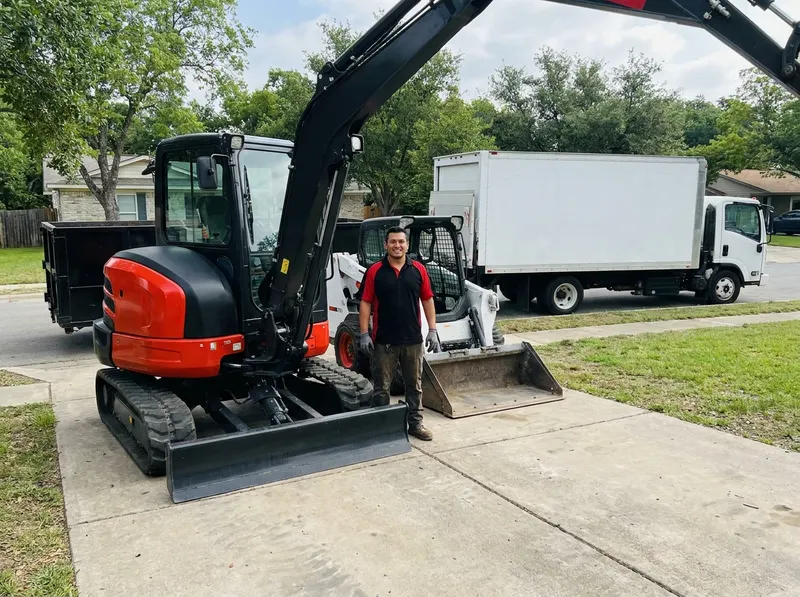
Mobile repair keeps construction machinery operational when a hydraulic line splits or an engine stalls mid-pour, eliminating the costly logistical bottleneck of loading disabled iron onto a lowboy trailer. Field service trucks function as rolling machine shops, carrying 5,000 psi hydraulic crimpers, portable MIG and stick welders, high-pressure line diagnostic gauges, and computerized diagnostic readers calibrated for Tier 4 diesel engines. Along high-traffic zones like the Fredericksburg Business District and Vance Jackson Corridor, mechanical breakdowns on site immediately stall production timelines. Having a heavy-duty technician turn wrenches directly on the asphalt or caliche base keeps sub-contractors moving and prevents machinery from blocking delivery paths.
Opting for field service fits mechanical failures that immobilize equipment, such as broken track tensioners, shredded high-pressure hoses, burnt starters, or blown hydraulic seals. Hauling a machine to a fixed depot involves transport permits, flatbed staging logistics, and multi-day shop backlogs; mobile repair replaces the failed component on your project footprint within hours. However, complete engine out-of-chassis overhauls or bent structural boor replacements remain unsuitable for field work due to heavy crane and clean-room requirements. Contractors operating near commercial retrofits around the Crossroads Mall Area or staging municipal utility work near Balcones Heights City Hall balance this trade-off by handling line items, auxiliary circuits, and track alignments on site, while reserving off-site transport only for catastrophic frame or block re-manufacturing.
Technicians route through local access points along Hillcrest Drive Residential Pocket and the Altgelt Avenue Sector, equipped with containment pans and absorbent booms to prevent oil and fluid runoff onto residential driveways or city storm drains. Surface protection remains standard practice; technicians place durable composite pads beneath stabilizing outriggers and floor jacks to ensure asphalt near Rogiers Park and Methodist Texsan Hospital sustains zero surface cracking. Crews follow a clear workflow to restore machine uptime: 1. You provide the machine symptoms and exact staging address. 2. The technician arrives on-site and runs system pressure and electronic diagnostic tests. 3. The mechanic replaces or repairs the damaged assembly, purges hydraulic air pockets, and test-cycles the machinery under full load before clearing the workspace clean of grease and debris.
Every job gets a firm, written price after a free on-site visit.
Tell us about your mobile heavy equipment repair job in Balcones Heights and we'll send a clear, written quote, usually the same day.
 Clear Ridge Dumpster Rental