Operating diesel machinery across the Fredericksburg Business District or along the Interstate 10 access lanes builds up compacted limestone dust, petroleum slicks, and baked caliche clay. When grease and abrasive road…
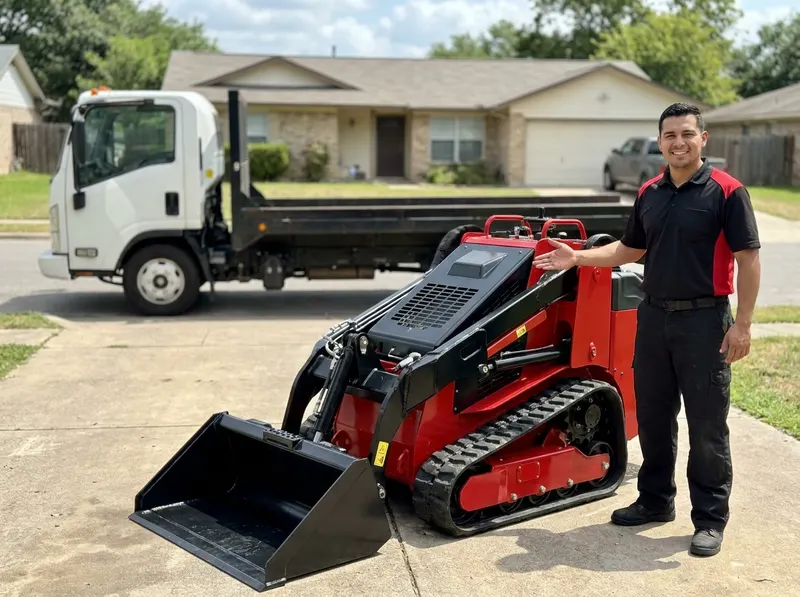
Operating diesel machinery across the Fredericksburg Business District or along the Interstate 10 access lanes builds up compacted limestone dust, petroleum slicks, and baked caliche clay. When grease and abrasive road grit pack into hydraulic ram packings and hydraulic coolers, machines run hot and fail premature component inspections. A dedicated mobile wash service arrives directly at your staging yard or active jobsite with self-contained 500-gallon water tanks, commercial-grade surface cleaners, and water-containment berms to stop petrochemical runoff before it reaches city drainage inlets near Balcones Heights City Hall or Rogiers Park.
Decision guidance depends on machine operational cycles. For routine maintenance between rental dispatches near the Crossroads Mall Area or Vance Jackson Corridor, a compact 60-minute hot-pressure wash strips daily grease accumulation to protect hydraulic seals. When prepping equipment for off-lease returns or Texas Department of Transportation line-item inspections, selecting an intensive undercarriage scrape and 200-degree chemical degreasing cuts away compacted clay layers that can obscure hairline frame stress fractures. The trade-off centers on wash velocity versus staging footprint: high-velocity washes clear equipment quickly on tight residential lots near Gentlewoods and Hillcrest Drive Residential Pocket, whereas deep frame de-mucking requires wider berm containment space to capture and vacuum heavy sediment slurry.
Project managers must note that equipment pressure cleaning operates differently from structural pressure washing. Heavy equipment wash protocols avoid raw high-pressure jets against sealed electrical wire harnesses, intake air filters, and rotary grease zerks, applying concentrated 180-to-200-degree hot water under regulated pressure to dissolve asphalt binder and sticky clay rather than cutting through sensitive rubber hoses. Every field mobilization carries a flat $200 minimum charge, which prevents half-done surface rinses and ensures sufficient containment boom placement to keep industrial wastewater off adjacent commercial asphalt.
Every job gets a firm, written price after a free on-site visit.
Tell us about your heavy equipment washing services job in Balcones Heights and we'll send a clear, written quote, usually the same day.
 Clear Ridge Dumpster Rental